Don’t Lose Hope. Reclaim the Moments That Matter.

About Us
We Treat Alzheimer’s—Now.
At Alzheimer’s Treatment Centers of America (ATCA), we don’t just manage symptoms; we seek answers. We specialize in the treatment of Alzheimer’s, dementia, memory loss, and brain fog from long COVID. Our personalized, AI-driven approach is rooted in the latest clinical research.
The first—and only—clinic of our kind in the Port St. Lucie area, we offer real solutions, not just pharmaceuticals or long-term care plans, to help patients reclaim memories, independence, and connection. In fact, in our clinical study, 75% of patients in a study saw no further decline in their Mild Cognitive Impairment (MCI).
We believe your loved one deserves that chance, too.
About Us
We Treat Alzheimer’s—Now.
At Alzheimer’s Treatment Centers of America (ATCA), we don’t just manage symptoms; we seek answers. We specialize in the treatment of Alzheimer’s, dementia, memory loss, and brain fog from long COVID. Our personalized, AI-driven approach is rooted in the latest clinical research.
The first—and only—clinic of our kind in the Port St. Lucie area, we offer real solutions, not just pharmaceuticals or long-term care plans, to help patients reclaim memories, independence, and connection. In fact, in our clinical study, 75% of patients in the early stages of disease showed no further cognitive decline.
We believe your loved one deserves that chance, too.
FAQs
Alzheimer’s Treatment Centers of America uses AI and Personalized Precision Medicine. What does that mean?
Your content goes here. Edit or remove this text inline or in the module Content settings. You can also style every aspect of this content in the module Design settings and even apply custom CSS to this text in the module Advanced settings.
What are some of the causes of Alzheimer’s disease?
Alzheimer’s disease is a multifactorial disease with many possible causes, including genetics, lifestyle, and environmental factors:
Genetics
- Rare genetic variants in the genes Amyloid precursor protein (APP), Presenilin 1 (PSEN1), and Presenilin 2 (PSEN2) are known to cause Alzheimer’s. Family history of the disease may also play a role.
Lifestyle
- Factors like diet, exercise, social engagement, and mental stimulation may help reduce the risk of Alzheimer’s.
Environmental factors
- Exposure to pollutants, infections, and head injuries may play a role.
Age-related changes
- The brain changes with age, impacted by shrinking, inflammation, and blood vessel damage. Age is the biggest known risk factor for Alzheimer’s, with most people developing the disease when they are 65 or older.
Other risk factors may include high blood pressure, high cholesterol, obesity, depression, and hearing loss.
What is the difference between functional medicine and allopathic medicine?
Your content goes here. Edit or remove this text inline or in the module Content settings. You can also style every aspect of this content in the module Design settings and even apply custom CSS to this text in the module Advanced settings.
How long does it take to develop Alzheimer’s Disease?
Your content goes here. Edit or remove this text inline or in the module Content settings. You can also style every aspect of this content in the module Design settings and even apply custom CSS to this text in the module Advanced settings.
Featured Treatments
Our advanced, non-invasive therapies are designed to enhance cognitive function and overall well-being, offering effective solutions for Alzheimer’s, dementia, and related conditions.
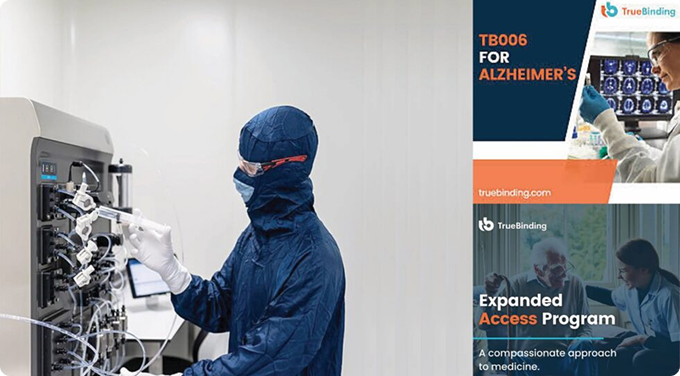
TB006 for Alzheimer's
TB006 is a groundbreaking, well-tolerated medicine offering a restorative anti-inflammatory approach to treating Alzheimer’s disease (AD) and a wide range of dementias.

Infusion Center
As opposed to oral supplements, IV therapy bypasses digestion for faster nutrient absorption and quicker results, with fewer side effects. It also aids in hydration, which is crucial for seniors’ health.
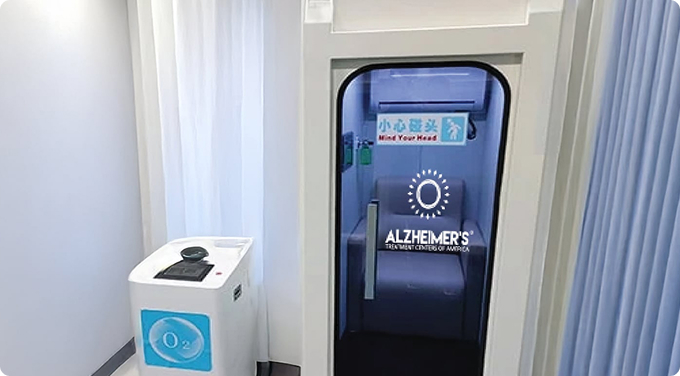
Hyperbaric Oxygen
Hyperbaric oxygen therapy enhances brain oxygen supply, addressing the life-threatening hypoxia often linked to Alzheimer’s disease (AD) and mild cognitive impairment. This non-drug therapy may slow AD progression and improve symptoms.

Get Started. Make an
Appointment Today!